Frameless Glass Shower Doors: A Complete Buyer's Guide
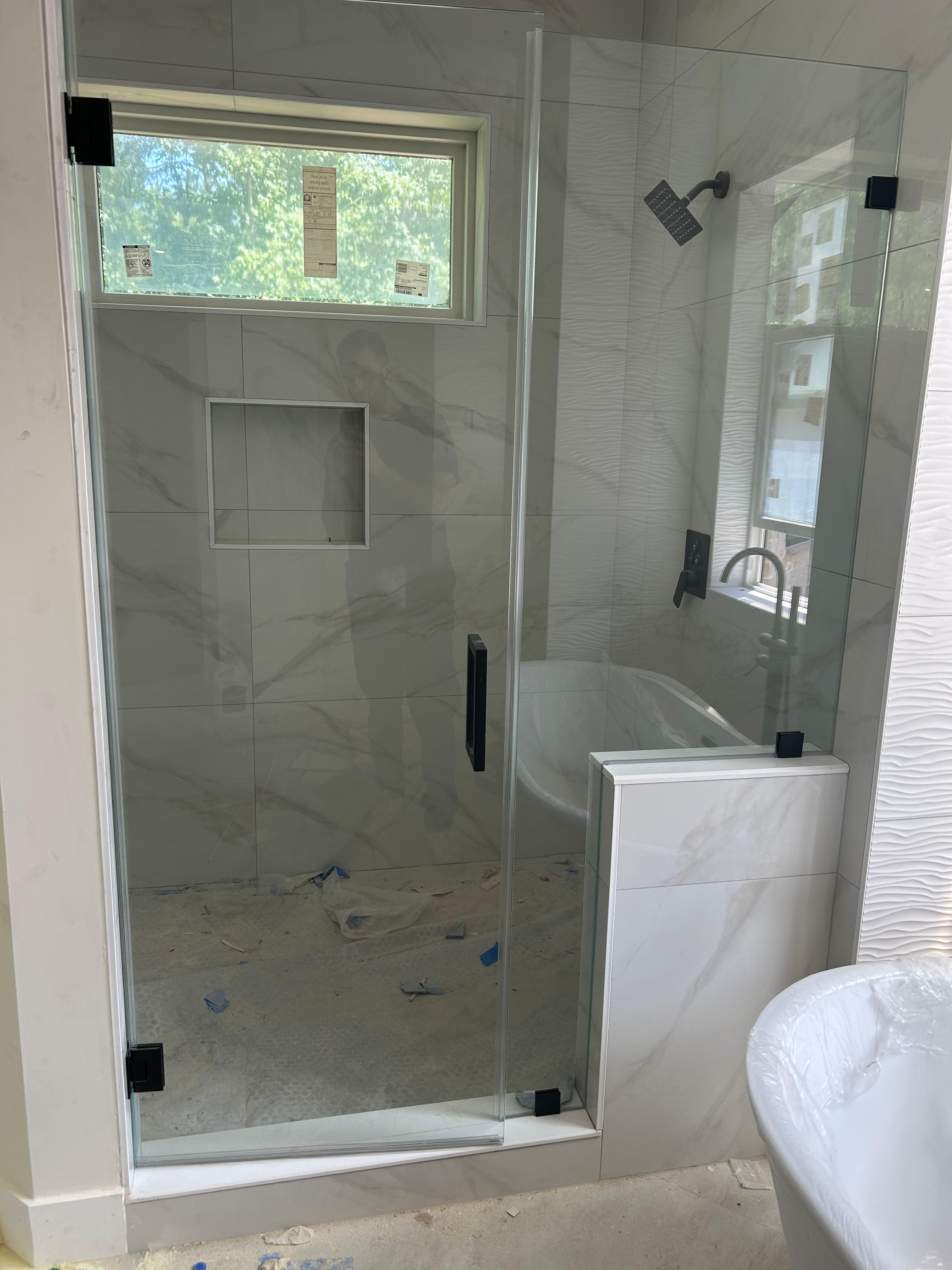
If there's one bathroom upgrade that consistently delivers the biggest visual impact, it's replacing a shower curtain or dated framed door with a frameless glass shower enclosure. The open, clean aesthetic instantly makes a bathroom feel larger, more luxurious, and more modern.
But with so many glass types, hardware options, and configurations available, the decision can feel overwhelming. This guide breaks it all down so you can make a confident, informed choice.
Frameless vs. Semi-Frameless vs. Framed: What's the Difference?
These three styles differ in how much metal framing surrounds and supports the glass:
- Frameless, No metal frame around the glass edges. The glass itself is typically 3/8" or 1/2" thick (heavy-duty tempered) to provide structural rigidity without a frame. Hardware is minimal, hinges, a handle, and a small clamp or two. This is the most modern, high-end look.
- Semi-frameless, Metal framing on the sides and top but no frame along the glass edges. A middle ground between clean aesthetics and cost.
- Framed, Metal framing surrounds all edges of the glass. The most affordable option, common in older construction. Less popular in modern renovations but still functional.
💡 Our recommendation: For most bathroom renovations where budget allows, frameless is the clear choice. The premium is real, but so is the difference it makes in how the space looks and feels.
Glass Types: Which One Is Right for Your Shower?
All shower glass must be tempered safety glass per building code, but beyond that, you have several options:
- Clear tempered glass, The most popular choice. Maximum transparency, showcases beautiful tile work, easy to clean. Available in 3/8" and 1/2" thickness (1/2" is preferred for a truly premium look and feel).
- Low-iron (ultra-clear) glass, Standard clear glass has a slight green tint, especially visible on the edges. Low-iron glass eliminates this tint for true optical clarity. Ideal for minimalist, high-end bathrooms.
- Frosted / satin glass, Obscures visibility for privacy. Great for shared bathrooms or when the shower is visible from other areas. Can be done as full-panel frosting or decorative patterns.
- Rain or textured glass, Patterned glass that provides partial privacy with visual interest. Adds a design element while still allowing light transmission.
Hardware Finishes: The Details That Tie It Together
The hardware, hinges, handles, U-channels, and towel bars, plays a huge role in the overall aesthetic. Common finishes include:
- Matte black, Currently the most popular choice in modern and transitional bathrooms. Bold, dramatic, easy to coordinate with fixtures.
- Brushed nickel, A classic, versatile choice that works in almost any bathroom style. Warm silver tone that doesn't show fingerprints as readily as chrome.
- Chrome, The traditional option. Bright, reflective, and easy to match with older fixture sets.
- Oil-rubbed bronze, Rich, dark finish for traditional or rustic-inspired bathrooms.
- Brushed gold / champagne, A growing trend in upscale residential design. Warm, luxurious look.
The key is to match your shower hardware to the other fixtures in the room, faucets, towel bars, lighting, for a cohesive, designer look.
Configuration Options
Frameless shower enclosures come in a wide range of configurations to suit different shower layouts:
- Single hinged door, A single glass panel on hinges. Works for alcove or corner showers with one opening.
- Door + panel, A fixed panel alongside a hinged door. Common for larger shower openings where the door alone wouldn't span the full width.
- Sliding / bypass, Panels that slide past each other. Great for tighter spaces where a swinging door would be problematic.
- Pivot door, Hinges at the top and bottom rather than the side. Creates a distinctive look and allows wider opening without side clearance.
- Walk-in (no door), An open configuration with a fixed glass panel that directs water. Works best with a well-designed shower layout and good drainage.
The Installation Process
Unlike a prefabricated shower kit, a frameless glass shower door is custom-fabricated for your specific shower opening. Here's the typical timeline:
- Day 1, Measurement appointment: A technician takes precise measurements of your shower opening, documents the tile surfaces, and reviews your glass and hardware preferences.
- Days 3–10, Fabrication: Your glass is cut, tempered, and edge-finished to specification. Hardware is sourced and prepped.
- Installation day: Hardware is mounted to the tile and wall, the glass panels are set and secured, and the door is adjusted for a perfect swing and seal. Most installations are completed in 2–4 hours.
Caring for Your Glass Shower Door
Frameless glass shower doors are beautiful but do require some maintenance to stay that way. A few tips:
- Apply a glass sealant or nano-coating at installation (we include this on all our installs), it dramatically reduces water spotting and soap scum buildup.
- Squeegee the glass after each shower. 30 seconds of effort saves significant cleaning time.
- Use a pH-neutral cleaner for regular cleaning. Avoid abrasive cleaners or scrubbers that can scratch the glass surface.
- Check door hinges and hardware annually for tightness. A small adjustment every year prevents bigger problems later.
A well-installed, well-maintained frameless glass shower door will last decades, and increase your home's value in the process. It's one of the highest-ROI bathroom upgrades you can make.
Ready for a Frameless Shower Door?
We custom fabricate and install glass shower enclosures throughout VA, MD, DC & PA. Get a free estimate.